Über GJF
GJF folgt der Kooperationsphilosophie „Integrität, Innovation, Altruismus und Win-Win“. Wir engagieren uns von ganzem Herzen für unsere Kunden und streben Win-Win-Situationen im Automobil-Ersatzteilmarkt der Zukunft an.
Kostenloses Angebot erhalten


Nachrichten
12
May
Best Japanese Auto Parts To Buy? - GJF Auto Parts
The global automotive industry has long recognized Japan as a powerhouse of innovation, quality, and reliability. Japanese auto parts have earned a stellar reputation for their superior engineering and cutting-edge technology. From individual car enthusiasts to large-scale commercial enterprises, th
28
Apr
Aluminum vs Steel Drive Shafts: Which Is Better? - GJF Auto Parts
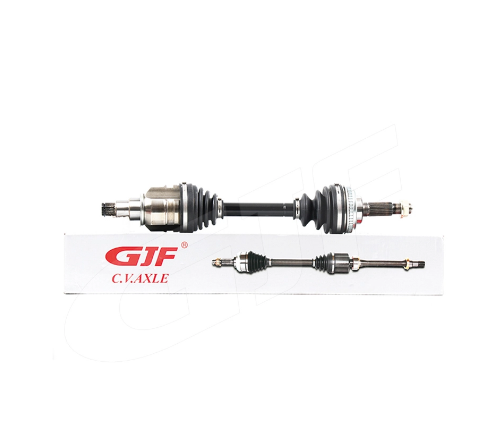
Often hidden beneath the vehicle, the drive shaft is the unsung hero of the drivetrain. This critical component diligently transfers torque from the transmission to the wheels, making motion possible. Yet, for such a vital part, a significant debate exists around its construction material. Enthusiasts, racers, and even fleet managers frequently consider moving from the Original Equipment Manufacturer (OEM) steel shaft to an aftermarket aluminum alternative. This decision is not just about choosing a different metal; it's about altering the vehicle's performance characteristics, from acceleration to cabin noise.
21
Apr
Drive Shaft vs Axle: What Is the Difference? - GJF Auto Parts
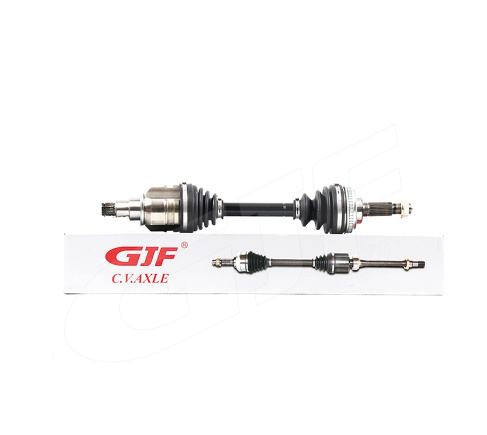
In the complex world of automotive engineering, few components are as fundamental yet as frequently confused as the drive shaft and the axle. While both are critical for transmitting torque, their roles, designs, and failure symptoms are distinctly different. Misidentifying them can lead to incorrect repairs, wasted time, and compromised vehicle safety. The effective transfer of power from the engine to the wheels is the heart of a vehicle's performance, and understanding each link in this chain is essential for technicians, parts suppliers, and enthusiasts alike. This article provides a definitive technical and commercial framework to distinguish these components, empowering you to make informed decisions for repair, procurement, and design.
14
Apr
Internal vs External CV Joint Differences and Functions - GJF Auto Parts
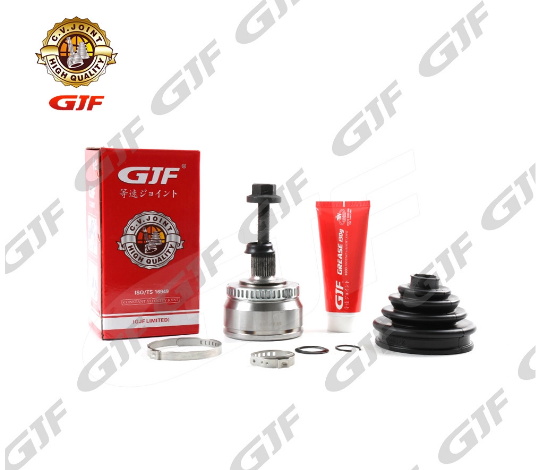
The Constant Velocity (CV) joint is a fundamental component in the drivetrain of virtually all modern front-wheel and all-wheel drive vehicles. Its primary mission is to transmit torque from the transaxle to the wheels at a constant speed, regardless of the suspension's movement or the steering angle. However, the CV axle assembly contains two distinct joints—an inner and an outer—each with a specialized role that is often misunderstood. This misinterpretation can lead to incorrect diagnoses, unnecessary parts replacement, and increased vehicle downtime. Understanding the critical distinction between the inner joint's role in suspension articulation and the outer joint's function in steering is paramount. This technical guide provides a clear framework for identifying specific failure points, understanding quality benchmarks, and optimizing procurement for long-term operational reliability.
07
Apr
CV Joint Maintenance Tips to Extend Service Life - GJF Auto Parts
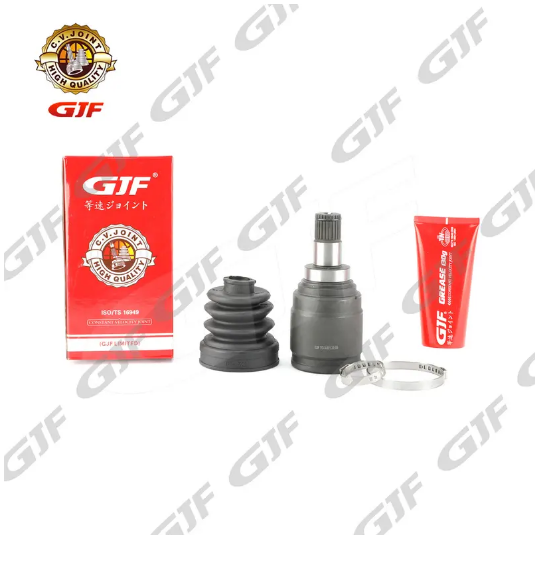
The sudden, rhythmic clicking from a front wheel during a turn is more than an annoyance; it's the sound of an impending, and often expensive, drivetrain failure. Many vehicle owners face the economic reality of this problem, weighing the cost of preventive care against a premature and costly axle replacement. The Constant Velocity (CV) joint is a marvel of mechanical engineering, essential for transferring torque from the transmission to the wheels in modern front-wheel and all-wheel drive vehicles. It allows the drive shaft to transmit power through a variable angle, at a constant rotational speed, without a significant increase in friction or play. This guide provides a professional technical framework for extending the service life of an Auto CV Joint. You will learn how proactive inspection, correct lubrication, and high-quality component selection can save you hundreds, if not thousands, of dollars over the life of your vehicle.
31
Mar
Step by Step CV Joint Installation for Beginners - GJF Auto Parts
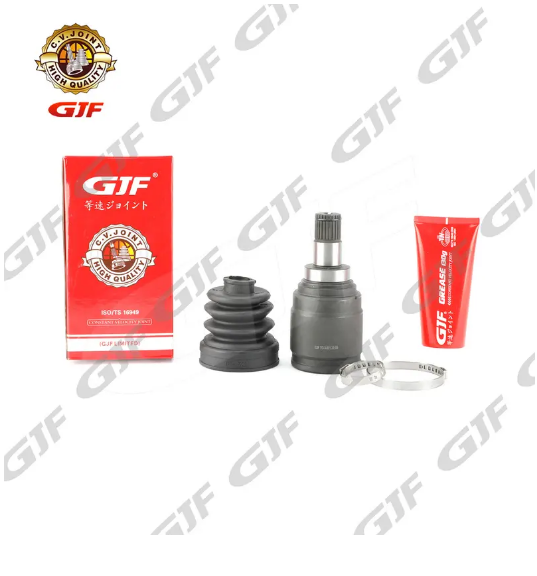
That rhythmic, clicking sound your car makes on tight turns is more than an annoyance; it's a clear signal from your drivetrain. The constant velocity (CV) joint is a critical component that transfers torque from your transmission to the wheels, allowing them to turn and absorb bumps. Tackling a CV joint replacement yourself can save you hundreds in labor costs, but it's a job where precision is paramount. This guide is designed for the ambitious beginner, providing a clear roadmap to navigate this essential repair. We will walk you through everything from diagnosing the failure and sourcing the correct parts to the step-by-step installation and crucial final checks. You will learn the difference between a simple boot repair and a full assembly replacement, ensuring you do the job right the first time for a safe, reliable outcome.
11
Mar
How to Replace a Wheel Hub Bearing Step by Step - GJF Auto Parts
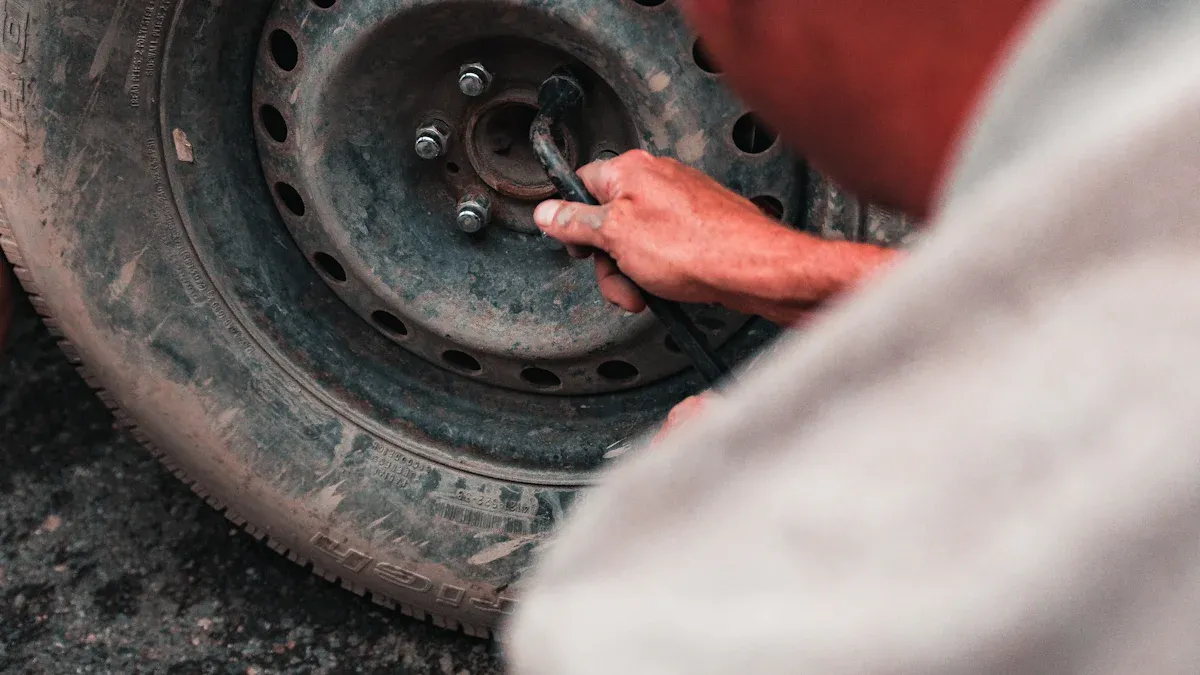
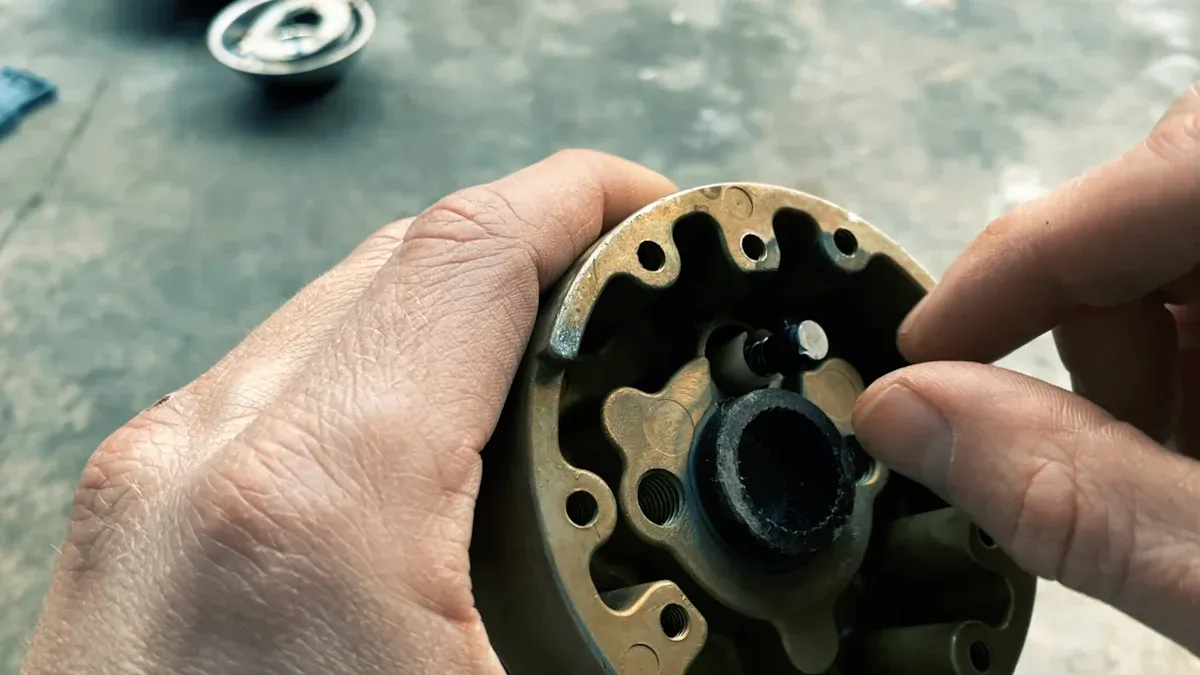
You can make your car safe by changing a bad wheel hub bearing. Many people do not know that about 22% of car problems are from wheel bearing issues. If you use a good part like the GJF Wheel Hub Bearing, your car will work better. It will have less friction and last longer. Bad bearings can make noise and shake your car. This can be dangerous for you. With the right tools and planning, you can fix this yourself. Always look at your car manual and ask an expert if you are not sure.
09
Mar
Leitfaden zu Kosten und Reparatur des inneren Gleichlaufgelenks für 2026 – GJF Auto Parts
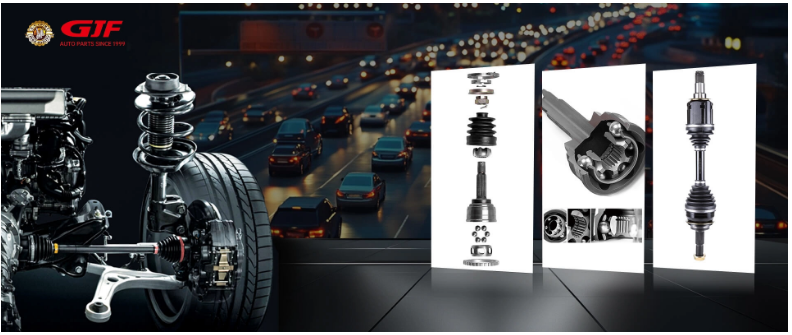
Nach den neuesten Marktinformationen werden Sie im Jahr 2026 für den Austausch eines inneren Gleichlaufgelenks voraussichtlich zwischen 180 und 400 Dollar bezahlen. Das innere Gleichlaufgelenk überträgt die Kraft vom Motor auf die Räder. Es sorgt dafür, dass Ihr Auto auch auf unebenen Straßen ruhig fährt. Eine rechtzeitige Reparatur ist wichtig für Ihre Sicherheit und die Leistungsfähigkeit Ihres Autos.
06
Mar
Welche Funktion hat eine Zwischenwelle im Auto? – GJF Auto Parts
Hören Sie unerklärliche Klopfgeräusche, wenn Sie das Gaspedal betätigen? Stellen Sie ein beunruhigendes Spiel im Lenkrad fest? Vielleicht spüren Sie auch seltsame Vibrationen, die mit zunehmender Geschwindigkeit stärker werden. Wenn Sie einen Kostenvoranschlag in der Hand halten, in dem von einer Zwischenwelle die Rede ist, sind Sie wahrscheinlich verwirrt. Mechaniker verwenden diesen Fachbegriff zwar häufig, erklären aber selten seine tatsächliche Funktion. Wir möchten Ihnen dieses wichtige Bauteil heute näherbringen.
04
Mar
Wie lange halten Gleichlaufgelenkmanschetten eigentlich? – GJF Auto Parts
Eine gerissene Manschette mag wie ein geringfügiges Problem mit dem Gummi erscheinen. Sie ist jedoch ein tickender Zeitmesser für einen katastrophalen Achsausfall. Sie dürfen eine beschädigte Manschette nicht als isoliertes Ärgernis betrachten. Sie gefährdet direkt Ihren gesamten Antriebsstrang. Die Entscheidung, wann und wie Sie diese Manschette austauschen, ist von enormer Bedeutung. Eine frühzeitige Erkennung des Schadens bestimmt die Höhe Ihrer Reparaturkosten. Entweder tauschen Sie jetzt ein günstiges Gummiteil aus oder Sie kaufen später eine komplett neue Achse. Diese Entscheidung hat grundlegende Auswirkungen auf Ihre Gesamtbetriebskosten. Originalteile bieten eine verlässliche Grundlage für die Langlebigkeit. Eine zuverlässige Gleichlaufgelenkmanschette schützt Ihre inneren Lager vor Witterungseinflüssen. Doch wenn es um Reparaturen geht, verändern Aftermarket-Materialien und Einbaustrategien die Situation grundlegend. Sie erfahren genau, wie viele Meilen Sie von diesen entscheidenden Teilen erwarten können. Wir beleuchten Materialkompromisse, die verschiedenen Stadien der Symptomverschlimmerung und die tatsächlichen wirtschaftlichen Aspekte hinter Ihren Austauschoptionen.